Introduction
Nestled in the southeastern region of Madhya Pradesh, Anuppur is a district known for its rich tribal heritage, scenic landscapes, dense forests, and religious significance. Established on 15 August 2003 after being carved out of Shahdol district, Anuppur has rapidly developed as an important administrative and judicial center in the region. Alongside its cultural and natural attractions, the District and Sessions Court of Anuppur plays a vital role in maintaining the rule of law and ensuring access to justice for the people of the district.
An Overview of Anuppur District
Anuppur district covers an area of approximately 3,746 square kilometers and is bordered by the districts of Shahdol, Umaria, Dindori, and parts of Chhattisgarh. The district headquarters is located in Anuppur town. The region is characterized by hills, forests, rivers, and fertile agricultural land. It is also home to the famous pilgrimage destination of Amarkantak, the origin of the sacred Narmada River and the Son River. Anuppur District Amarkantak
The district has a significant tribal population, contributing to its unique cultural identity. Agriculture, forestry, and mining remain important economic activities, while educational and infrastructural development continues to improve the quality of life for residents.
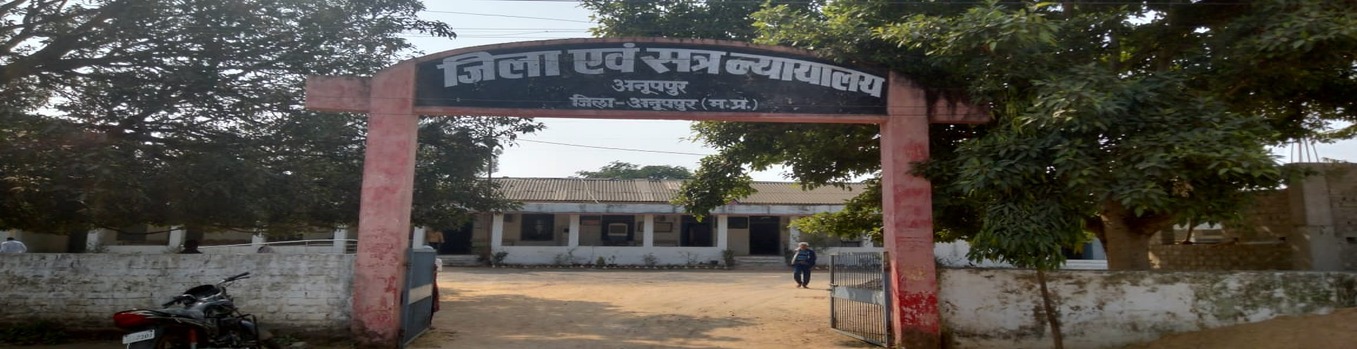
Evolution of the Judicial System in Anuppur
Before becoming an independent district, Anuppur fell under the judicial jurisdiction of Shahdol. Judicial services in the area began with a Civil Judge Class-II link court established in 1987. Initially, the court functioned on a limited basis and served the legal needs of local residents who otherwise had to travel considerable distances for judicial proceedings.
Following the creation of Anuppur district in 2003, the demand for a stronger judicial infrastructure increased. The establishment of a separate civil district and expansion of court facilities marked an important milestone in improving access to justice for citizens. Over time, the judicial framework evolved to accommodate growing caseloads and the administrative needs of the district.
Role of the District and Sessions Court
The District and Sessions Court serves as the highest judicial authority at the district level. It handles both civil and criminal matters and functions under the supervision of the High Court of Madhya Pradesh. The court is headed by the District and Sessions Judge, who oversees the administration of justice across subordinate courts within the district.
The court performs several critical functions:
1. Criminal Jurisdiction
As a Sessions Court, it hears serious criminal cases such as murder, robbery, assault, and other offences requiring higher judicial scrutiny. It also hears appeals from lower criminal courts.
2. Civil Jurisdiction
The court adjudicates significant civil disputes involving property, contracts, inheritance, and other legal rights. It also hears appeals arising from subordinate civil courts.
3. Appellate Functions
The District and Sessions Court acts as an appellate authority for decisions delivered by lower courts within the district, ensuring fairness and legal correctness.
4. Judicial Administration
The court supervises the functioning of subordinate courts, judicial officers, and administrative staff, thereby strengthening the overall justice delivery system.
Importance of the Court to Local Communities
For residents of Anuppur, especially those living in rural and tribal areas, the District and Sessions Court represents an accessible avenue for legal remedies and dispute resolution. The court helps protect constitutional rights, resolve conflicts peacefully, and reinforce public confidence in democratic institutions.
The presence of a well-functioning judicial system is particularly important in a district where social, economic, and land-related issues often require legal intervention. Through regular hearings, legal aid initiatives, and judicial oversight, the court contributes significantly to social stability and governance.
Challenges and Future Prospects
Like many district courts across India, the Anuppur District and Sessions Court faces challenges such as increasing caseloads, infrastructure requirements, and the need for faster disposal of cases. The adoption of digital technologies under the e-Courts initiative has improved efficiency through online case information, electronic records, and virtual hearings.
Continued investment in judicial infrastructure, legal awareness programs, and technological modernization can further strengthen the court’s ability to deliver timely and effective justice.
Conclusion
Anuppur is a district that beautifully blends natural heritage, tribal culture, and administrative progress. At the center of its legal framework stands the District and Sessions Court, an institution dedicated to safeguarding justice and upholding the rule of law. As the district continues to develop, the court’s role in ensuring fairness, accountability, and legal protection remains indispensable. Through its commitment to justice, the Anuppur District and Sessions Court contributes not only to legal governance but also to the overall development and well-being of the region.